
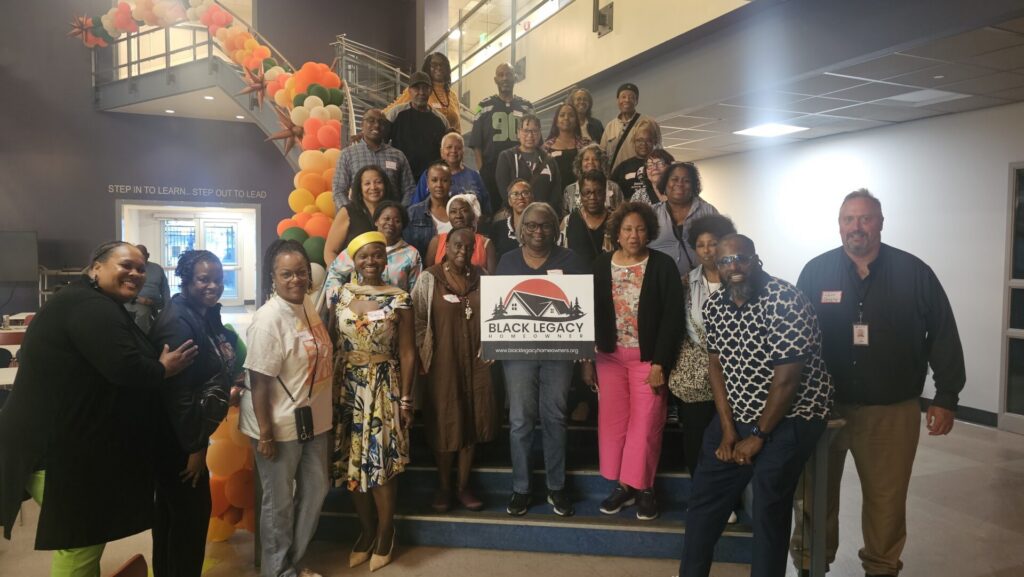
At Black Legacy Homeowners (BLHN), protecting our property rights and building generational wealth go hand in hand. At our September Member Meetup, we hosted a critical hands-on session focused on demystifying property tax assessments, navigating revaluations, and protecting our homes from deed fraud.
We were honored to have BLHN Member Makeda Ebube and Jeff Darrow from the King County Assessor’s Office join us to share their expertise, answer questions, and provide personalized support for our community.
Here is a full breakdown of what was covered and the action steps every homeowner should take today.
1. Decoding Your Property Assessment & Valuations
Understanding how the Assessor’s Office evaluates your home is the first step in ensuring your property taxes are fair and accurate. Jeff Darrow walked members through the key metrics used to determine assessed value:
-
Property Grade & Condition: How structural quality and overall physical upkeep factor into your valuation.
-
Square Footage & Layout: The distinction between living space, lot area, and finished vs. unfinished basement space.
-
Annual Revaluation Notices: What to look for when your yearly statement arrives in the mail and how market trends affect your property value.
One-on-One Support: Following the main presentation, Jeff opened up his laptop to work directly with members on the spot, reviewing individual property records and clarifying specific valuation details.
2. How to Dispute & Appeal Your Assessment
If you believe your property has been overvalued or that the details listed on your record are inaccurate, you have the right to appeal.
Steps to Challenge an Assessment:
-
Review Your Property Record: Verify that details like square footage, bathroom counts, and basement condition are correct.
-
Gather Comparable Sales: Look for similar properties in your immediate neighborhood that have sold for less than your assessed value.
-
File an Appeal: Submit your appeal to the King County Board of Appeals/Equalization before the filing deadline (typically within 60 days of the date printed on your value notice).
3. Protecting Your Home: King County’s Deed Alert System (RANS)
One of the most important takeaways from the meeting was learning about King County’s Recording Activity Notification System (RANS). Deed fraud and unauthorized document filings are real threats to property owners, particularly in gentrifying neighborhoods.
What is RANS?
RANS is a 100% free service provided by the King County Recorder’s Office that sends automated email alerts whenever a land record, property deed change, or legal document is filed under your name or property parcel number.
How to Sign Up:
-
Locate your 10-digit Tax Parcel Number (found on your property tax statement or the King County Parcel Viewer).
-
Register your name and email with the King County Recorder’s Office.
-
Receive real-time alerts whenever activity is detected, allowing you to take immediate legal action if an unauthorized filing occurs.
4. Community Protection & Legislative Updates
We also discussed Seattle’s upcoming “Do Not Solicit” ordinance (taking effect June 1, 2027). Designed to curb predatory real estate tactics, this legislation will allow homeowners to opt out of aggressive, unsolicited offers from investors and wholesalers trying to buy properties below market value.
A Special Thank You
A heartfelt thank you to Makeda Ebube for her continued support of our members, and Jeff Darrow for generously giving his time and knowledge to empower our community.
Protecting our homes requires staying informed and taking proactive steps. Sign up for RANS, review your assessment notices carefully, and stay connected with BLHN for future workshops!
Together, we safeguard our homes, build generational wealth, and ensure We Shall Not Be Moved.